
ADA Compliance Permits Checklist for Atlanta Businesses
For commercial property owners in Metro Atlanta, compliance with the Americans with Disabilities Act (ADA) and the Georgia Accessibility Code is not merely a box to check—it is a mandatory legal requirement that directly impacts building permits. Any project that involves an alteration, addition, or change of use will trigger an ADA review, forcing the space to be upgraded to current accessibility standards.
Failing to integrate ADA requirements into the initial design is a common permitting mistake that leads to costly redesigns, construction delays, and significant legal risk down the line. The rule for existing buildings is complex, focusing on making altered areas accessible and providing a clear accessible route to them.
At Radovic Permits, our specialized permit consultant Metro Atlanta services focus on identifying and integrating these requirements from day one, ensuring your commercial space is both functional and legally compliant.
What Triggers a Mandatory ADA Review

In the City of Atlanta and surrounding counties, the Building Department will flag any commercial permit application that involves a change to the physical space or its use for an ADA compliance review.
The Threshold of Alteration
The most significant trigger for ADA compliance review is any alteration that affects the usability of a commercial facility.
Structural Alterations: Moving, removing, or adding walls, which affects corridors, doorways, or interior circulation.
M.E.P. Relocation: Moving electrical, plumbing, or mechanical components that impact accessible elements, such as relocating a sink that affects the required clear floor space.
New Construction or Additions: Any newly built portion of a commercial facility must be 100% compliant with current ADA Standards.
Change of Occupancy: Converting a space from one use (e.g., Office, Group B) to another (e.g., Assembly, Group A-2). The new use often has different ADA requirements (e.g., higher restroom ratios), requiring immediate compliance upgrades.
The Path of Travel Obligation
When alterations are made to a "Primary Function Area" (e.g., a main retail floor, a bank lobby, or a cafeteria dining area), the law mandates a mandatory upgrade to the accessible path of travel serving that area.
Definition: The accessible path includes the route from the entrance, through the lobby, to accessible restrooms, telephones, and drinking fountains.
Cost Cap: This "path of travel" upgrade is only required to the extent that its cost does not exceed 20% of the total cost of the original alteration to the primary function area. If the costs exceed the cap, the business is only required to spend up to the 20% limit on the path of travel.
Key ADA Compliance Elements in Permitting
The plans submitted for the commercial permit must explicitly detail how the new design meets the minimum requirements of the ADA Standards for Accessible Design.
Entry and Interior Circulation
The journey for a customer or employee with a disability must be seamless from the public way into the building.
Accessible Route: The plans must show a continuous, unobstructed route from accessible parking, the public sidewalk, or the main entrance, throughout the interior, and into the tenant space.
Doorways and Handles: All new or altered doorways must be a minimum of 32 inches wide clear when open. Door hardware should be lever-style or similar (usable without tight grasping, pinching, or twisting of the wrist) and placed no higher than 48 inches from the floor.
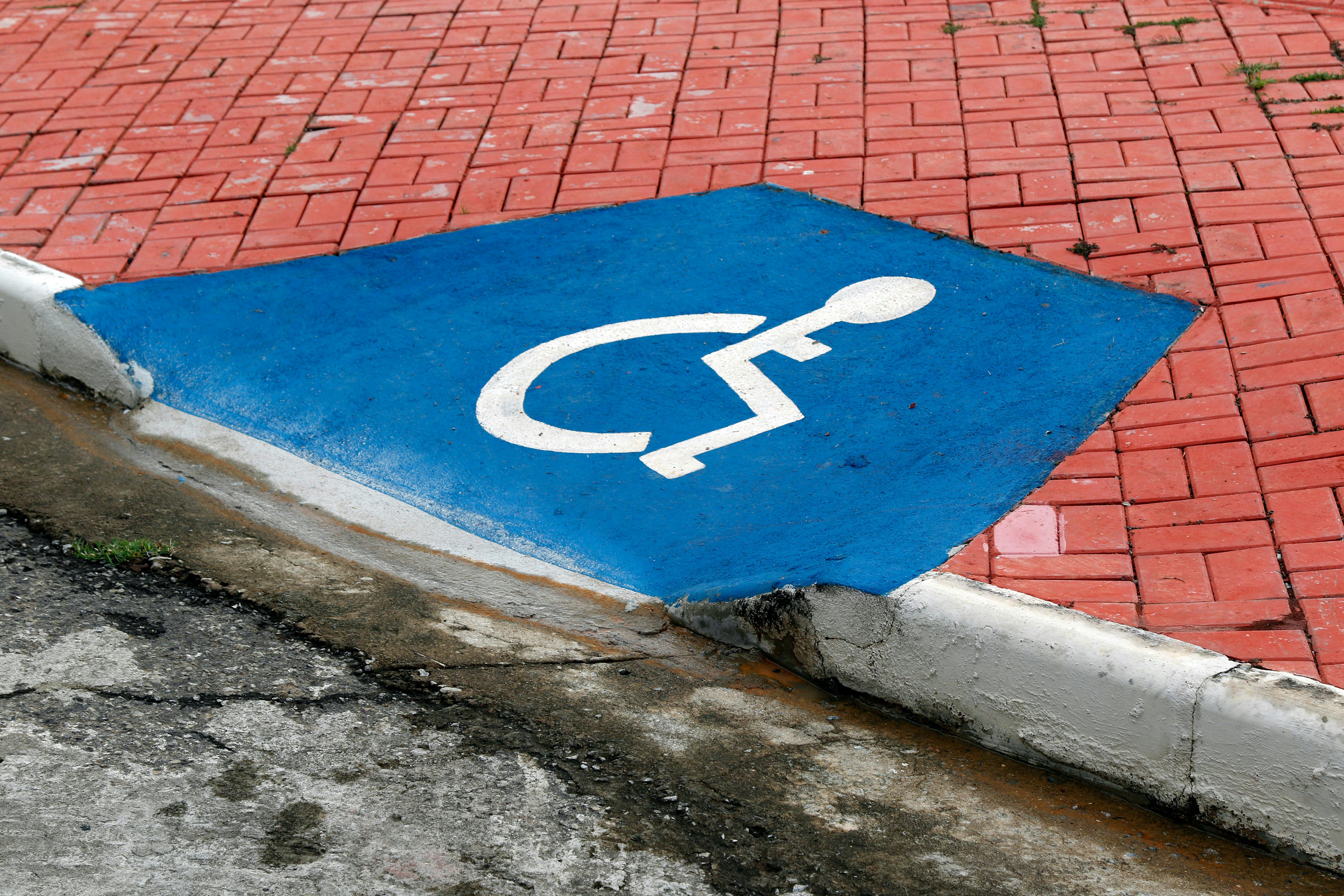
Ramps and Slopes: Any ramp used as part of the accessible route must have a maximum slope of 1:12 (one inch of rise for every twelve inches of run) and must be shown on the structural drawings.
Restroom and Fixture Compliance
Restroom accessibility is one of the most common areas for non-compliance and legal risk.
Maneuvering Space: Plans must demonstrate that there is sufficient clear floor space (a 60-inch turning circle in stalls) for a wheelchair to maneuver, and door swings must not encroach into this clear space.
Grab Bars and Heights: Details must be shown for the required grab bar placement (rear and side walls) at the correct height (33 to 36 inches above the finished floor), and the toilet seat must be mounted at 17 to 19 inches high.
Sinks and Dispensers: Sinks must have required knee and toe clearance beneath them, and all soap and paper towel dispensers must be mounted at accessible heights (no higher than 48 inches for a forward reach).
Mitigating Risk and Securing Final Approval
The consequences of non-compliance extend far beyond a delayed permit; they include legal action and civil penalties.
Parking and Exterior Requirements
Even if the interior is perfect, the exterior site elements must be included in the review.
Accessible Parking: Plans for the site must show the correct ratio of accessible parking spaces, clearly striped and signed with the International Symbol of Accessibility at the correct height (at least 60 inches off the ground).
Accessible Access Aisle: Accessible spaces must have an adjacent access aisle (at least 60 inches wide, with some designated van-accessible spaces requiring a 96-inch aisle). This is essential zoning research Atlanta requires.
The Final Sign-Off
The Certificate of Occupancy (CO) will not be issued until the final Building Inspector confirms that all accessible elements detailed in the approved plans (ramps, restrooms, door hardware, etc.) are installed correctly and function as required by the Georgia Accessibility Code.
By engaging a professional building permit consulting Atlanta service, business owners can ensure that compliance is designed in, not retrofitted, protecting their investment and providing equal access to all customers and employees.