
Understanding Erosion & Sediment Control Requirements in Metro Atlanta
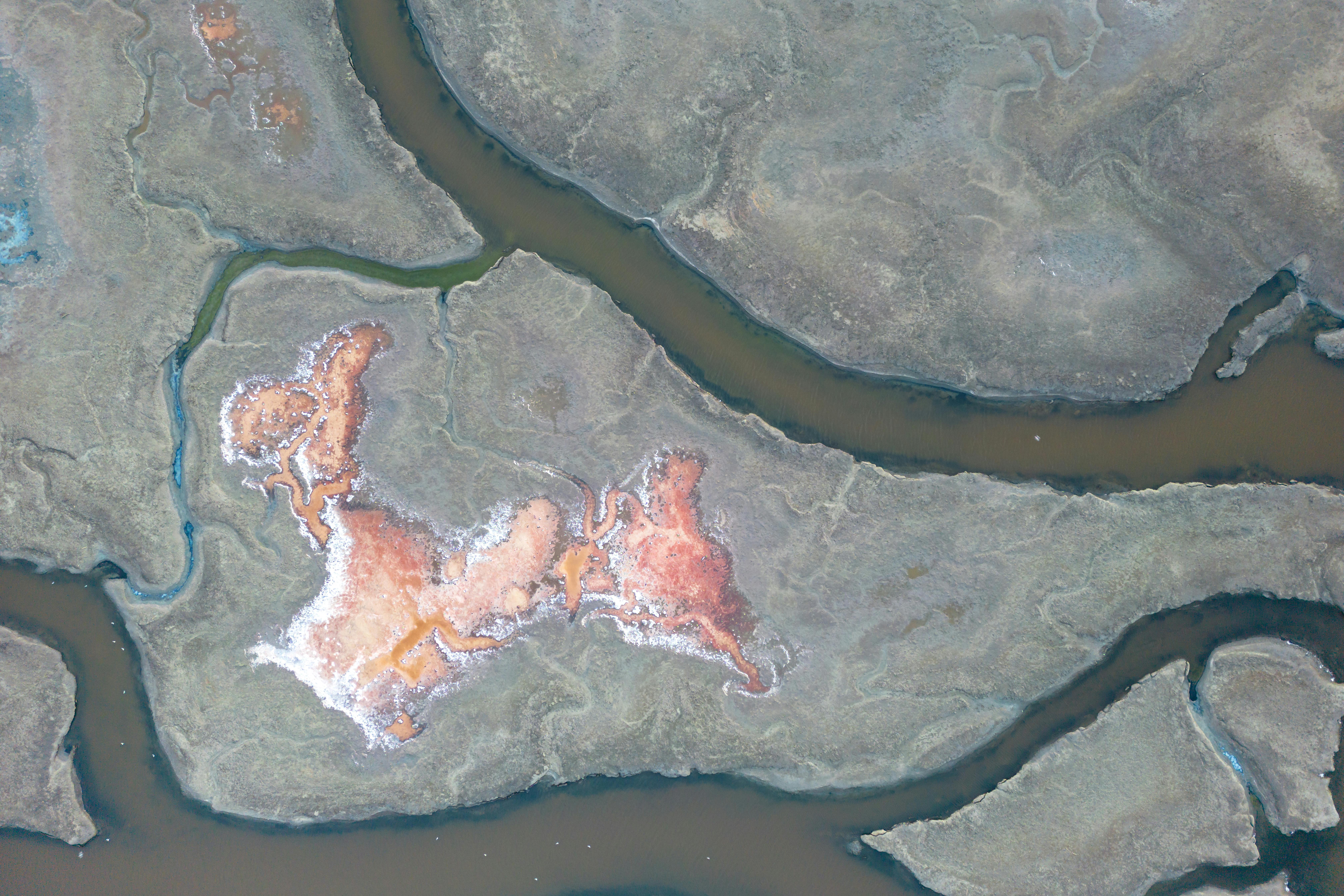
Starting a land development project or new construction in Metro Atlanta demands rigorous environmental compliance, not just budget and timeline management. When you disturb the ground, the exposed soil can lead to erosion (soil movement) and sedimentation (soil deposit into waterways). This is Georgia's largest source of water pollution and can result in costly fines and mandated work stoppages.
At Radovic Permits, we specialize in cutting through the bureaucratic complexity. As the top permit consultant Metro Atlanta relies on, we ensure you secure project approvals quickly. This guide focuses on the essential Erosion and Sediment Control (ES&C) requirements you must master to navigate permitting in the Atlanta area successfully.
ES&C and the Land Disturbance Permit in Atlanta
In Georgia, Erosion and Sediment Control is enforced under the state's Erosion and Sedimentation Act of 1975, requiring every local municipality—including the City of Atlanta, Fulton, DeKalb, and Cobb Counties—to adopt and enforce local ordinances. These local rules often exceed state minimums.
This process is intrinsically linked to the land disturbance permit Atlanta projects must obtain. This permit is mandatory for most construction activities that disturb a specified amount of ground (typically 5,000 square feet). Your ES&C Plan must be the core component of this application, detailing the Best Management Practices (BMPs) that will be installed and maintained. Without an approved ES&C plan, your permit will be denied. Local expertise is vital because plan review, certification, and inspection frequency change based on the specific Metro Atlanta jurisdiction.
Step-by-Step ES&C Compliance in Metro Atlanta
Successful compliance is a continuous process managed through coordinated planning. Expert building permit consulting Atlanta services ensure these steps are followed precisely.
Step 1: Design and Certification
A certified design professional must prepare the ES&C Plan, following the Manual for Erosion and Sediment Control in Georgia (the "Green Book"). The plan must include:
Plan Requirements: Detailed design and location for temporary protective measures (silt fences, sediment traps, construction entrances).
Phasing: A sequence of work showing when and where these measures are installed relative to the construction timeline.
Stormwater: Compliance with the Georgia Stormwater Management Manual ("Blue Book") for post-construction water management.
Step 2: Permit Submission and Review
The ES&C plan is submitted to the Local Issuing Authority (LIA) for the land disturbance permit.
Review Cycle: The Soil and Water Conservation District (SWCD) reviews the plan and provides recommendations to the LIA. This process takes several weeks. Revisions are common, and each resubmittal adds significant time to the timeline.
Bonding: Many jurisdictions require an Erosion Control Bond to be posted before the permit is issued, assuring funds are available for remediation if compliance fails.
Step 3: Site Installation and Ongoing Maintenance
The permit is not a license to skip maintenance. Compliance is mandatory throughout construction.
Pre-Construction: A mandatory meeting occurs on-site. Before any major clearing begins, the perimeter must be secured with silt fencing and a temporary construction entrance. Sediment leaving the site will result in an immediate Stop Work Order.
Inspections: The site must be inspected at least every seven days and within 24 hours of a rain event causing runoff. Deficiencies must be corrected within two business days.
Stabilization: Any disturbed area left exposed for more than 14 days must be stabilized with mulch or temporary seeding. Permanent stabilization is required before receiving a final Certificate of Occupancy for new commercial building permits Atlanta or residential projects.
Common ES&C Failures and Local Challenges

Delays frequently occur due to planning errors or neglected maintenance.
Zoning and Buffer Issues
A critical error is failing to perform thorough zoning research Atlanta before design. If your grading plan encroaches on a required stream buffer (often 25 to 75 feet in the City of Atlanta), the ES&C plan will be invalid, regardless of technical quality. The plan must respect all legal setbacks. If the project requires a special use permit Atlanta or variance, the ES&C plan's approval often depends on that entitlement being secured first.
Land Disturbance Compliance Problems
Enforcement focuses on inadequate or unmaintained BMPs. The two most common issues are:
Improper Installation: Silt fences must be properly trenched and keyed into the ground to prevent failure under rainfall.
Neglected Maintenance: Sediment traps must be cleaned out once they reach one-third capacity. Neglect leads to fines and Stop Work Orders under the land disturbance permit Atlanta conditions.
Why Radovic Permits is Your Local ES&C Expert
The complexity of ES&C plans and the severe consequences of project delays make professional assistance invaluable. Radovic Permits coordinates the entire submittal, ensuring the plan meets all local City of Atlanta and county standards (Fulton, DeKalb, Cobb) the first time.
Our expertise in building permit consulting Atlanta minimizes costly resubmittal cycles, which can add 35-45 days to your timeline. Whether you're seeking residential building permit consultant Atlanta services for a custom home or managing large-scale commercial development, we are the trusted, reliable permit consultant Metro Atlanta companies use to achieve compliance and maintain their schedules.
Conclusion
Mastering Erosion and Sediment Control requirements is the crucial first step for any construction project in Metro Atlanta. By partnering with Radovic Permits, you gain the local expertise needed to navigate the complex ordinances of local LIAs. Contact Radovic Permits, your local expert in building permit consulting Atlanta, today to secure your land disturbance permit swiftly and reliably.