
Homeowner’s Guide to Tree Removal Permits in Metro Atlanta
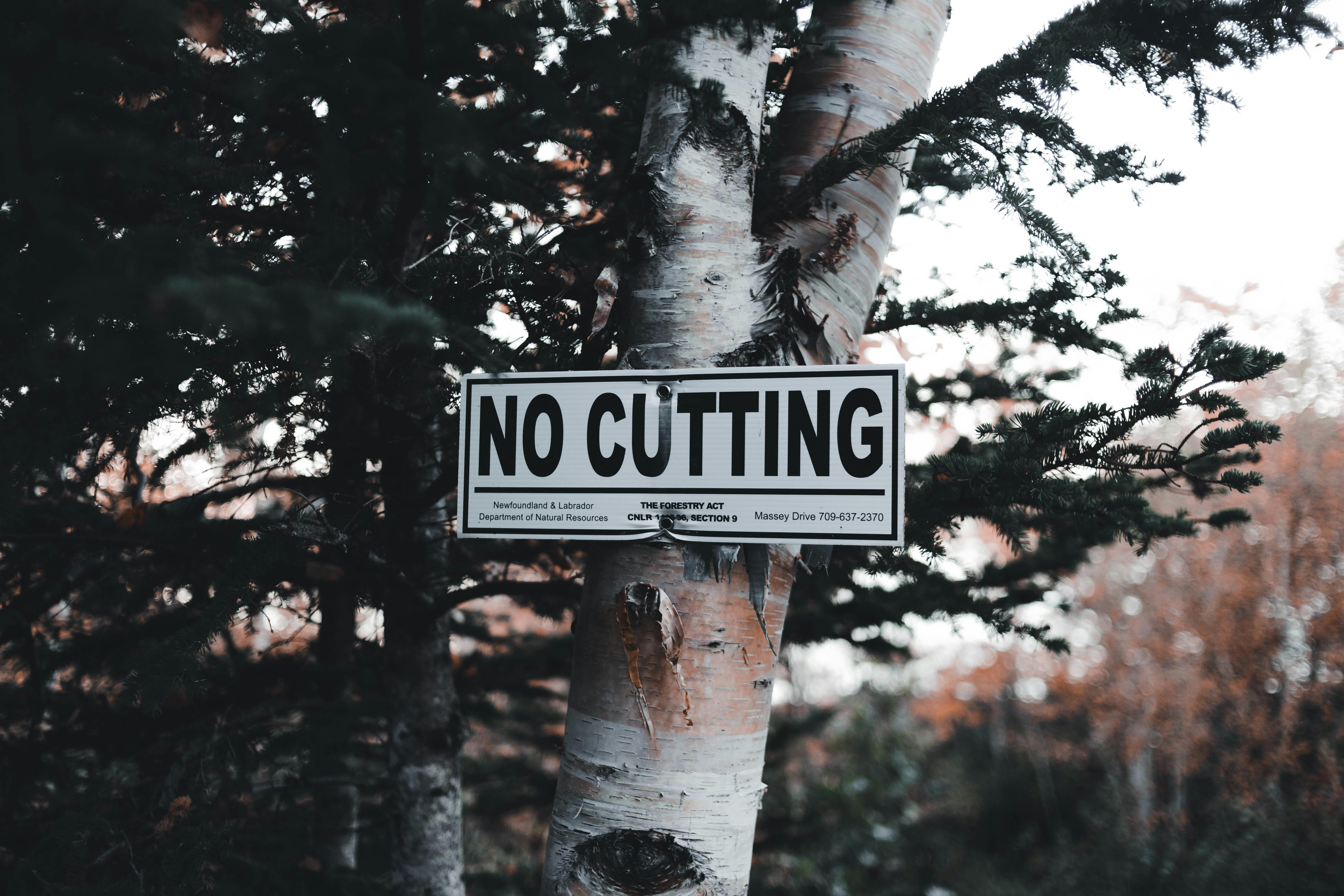
The tree canopy is a defining feature of Metro Atlanta, and local governments enforce some of the most stringent Tree Protection Ordinances in the nation to preserve it. For homeowners, deciding to remove a tree is rarely a simple DIY choice; it is often a regulatory event that requires a permit, an inspection, and sometimes costly recompense fees.
Failure to obtain the required permit before removal can result in massive fines—sometimes reaching thousands of dollars per tree—and mandated, expensive replanting. Understanding when a permit is required is the key to protecting yourself from unnecessary penalties.
Jurisdictional Rules and Protected Trees
Tree removal rules vary dramatically between the City of Atlanta and the surrounding unincorporated counties. You must first verify your jurisdiction.
The City of Atlanta: The Strictest Standard
Atlanta has the most detailed and restrictive ordinance, driven by the mandate of "no net loss of trees in the city."
Protected Size: A permit is required to remove, destroy, or injure any tree on private property that has a Diameter at Breast Height (DBH—measured 4.5 feet above grade) of 6 inches or greater for hardwoods and 12 inches or greater for pines.
Dead, Dying, or Hazardous (DDH) Trees: Even if a tree is 100% dead, dying, or hazardous, a Dead Tree Permit is required. You must submit an application and have a City Arborist verify the condition before removal. While this permit is usually free, it is mandatory.
Recompense Requirement: If a healthy, non-DDH tree is removed, you will be required to plant replacement trees or pay a recompense fee (often calculated based on the DBH and value of the tree) to the Tree Trust Fund. These fees can be substantial, especially for large specimen trees.
County Rules: Focused on Land Disturbance
In the unincorporated areas of surrounding counties (Fulton, DeKalb, Cobb, Gwinnett), the rules are typically less restrictive for the average residential property, unless the removal is part of a larger construction project.
Fulton County (Unincorporated): Residential homeowners are generally not required to file for a tree removal permit unless the tree is a designated Specimen Tree (often 27 inches DBH or greater for hardwoods) or is located in a stream buffer or easement.
Gwinnett County (Unincorporated): Permits are generally not required for individual residential homeowners unless the activity encroaches upon or disturbs protected buffer zones and waterways or the tree is a Specimen Tree (often 28-30 inches DBH).
DeKalb County: Similar to Fulton, individual tree removal is often exempt unless the tree is a Specimen, the property is in a Historic District (which requires a Certificate of Appropriateness), or the removal is tied to a building permit consulting Atlanta project.
Cobb County (Unincorporated): Cobb County currently does not have a county-wide tree removal permit requirement for trees on private residential property, but you must still abide by a minimum site density factor if the lot is large or undergoing development.
Key Definitions and Application Steps
Understanding the terminology and the application process is essential, especially for City of Atlanta permits.
Specimen and Landmark Trees
Every jurisdiction has rules protecting Specimen or Landmark Trees. These are trees of exceptional size, age, condition, or historical significance.
High Penalties: Removing a healthy specimen tree without approval carries the highest financial penalties and can trigger mandatory replanting with large-caliper stock.
Arborist Assessment: Removal of a specimen tree almost always requires a detailed report from a certified, third-party arborist justifying the removal on the basis of disease, severe structural defect, or unavoidable conflict with a permitted structure.
The Permit Application Process
The application process is administrative and visual, requiring clear documentation.
Site Plan or Diagram: You must submit a diagram of your property showing the exact location of the tree(s) to be removed, their species, and their measured DBH. This allows the county or city arborist to verify the information during their inspection.
Photographic Evidence: For DDH permits, clear, high-quality photos showing the decay, structural failure, or hazard (e.g., proximity to a house or power line) are critical.
Inspection: A city or county arborist will typically visit the site within five to ten business days to verify the tree's condition and compliance with the ordinance.
Avoiding Penalties and Delays
The greatest risk for a homeowner is accidentally incurring a fine due to ignorance of the law.
Do Not Cut First, Ask Later
Never remove a tree that meets the minimum protected size before the arborist's approval, even if you believe it is dead or hazardous. If you remove it without documentation, the city may assume it was a healthy tree and assess a massive recompense fine.
Emergency Exception: The only true exception is if a tree or major limb has already fallen and is blocking a roadway or actively crushing a home. In this case, always take extensive photos of the damage and contact the relevant Arborist Division immediately (within 24 hours) to file an after-the-fact emergency report.
Utilize Zoning Research Atlanta Expertise
Before submitting plans for a home addition, use zoning research Atlanta professionals provide to identify all protected trees and design the project to avoid their Critical Root Zones (CRZ). Managing the tree ordinance during the building permit phase is far easier than applying for separate removal permits.
By performing due diligence and respecting the local ordinances, homeowners can manage their landscape legally, efficiently, and responsibly.