
Avoid Home Addition Permit Delays in Fulton County, GA
Fulton County is one of the most dynamic and rapidly growing areas in Metro Atlanta, which means its permitting office is constantly managing a high volume of projects. While the county utilizes modern digital submission systems like SAGES, home addition permits frequently encounter significant, frustrating delays—sometimes adding weeks or months to a construction timeline.
These delays are rarely random. They are nearly always caused by predictable errors in the application package, specifically relating to zoning compliance, structural documentation, and the county’s strict tree ordinance.
Pre-Submission Due Diligence
Before uploading a single document, a thorough investigation of the property and plans is necessary to pre-empt rejection. Skipping this stage is the leading cause of rejection and subsequent delays.
Master Zoning Compliance and Setbacks
The number one reason for an initial permit rejection in Fulton County is zoning conflict. The proposed addition must fit legally on the lot according to the specific zoning district (e.g., R-3, R-4, R-A).
Verify Setbacks: You must confirm the exact minimum front, side, and rear setbacks for your property. Your addition must be drawn precisely to scale on the Site Plan showing these compliance lines. If the addition encroaches by even one inch, the application will be flagged for non-compliance and rejected, forcing a time-consuming revision or variance application.
Determine Floor Area Ratio (FAR): Some areas within Fulton County have an FAR limit, which restricts the total square footage of your house relative to the size of your lot. The addition must not push the total FAR above the maximum allowance.
Special Districts: Use the county's GIS system to confirm if your property is located in a Historic District or a Special Public Interest (SPI) zone. These districts require a lengthy secondary approval process (such as a Certificate of Appropriateness or COA) before the building permit can proceed. Not knowing this upfront can halt your project for several months.
The Tree Protection Imperative

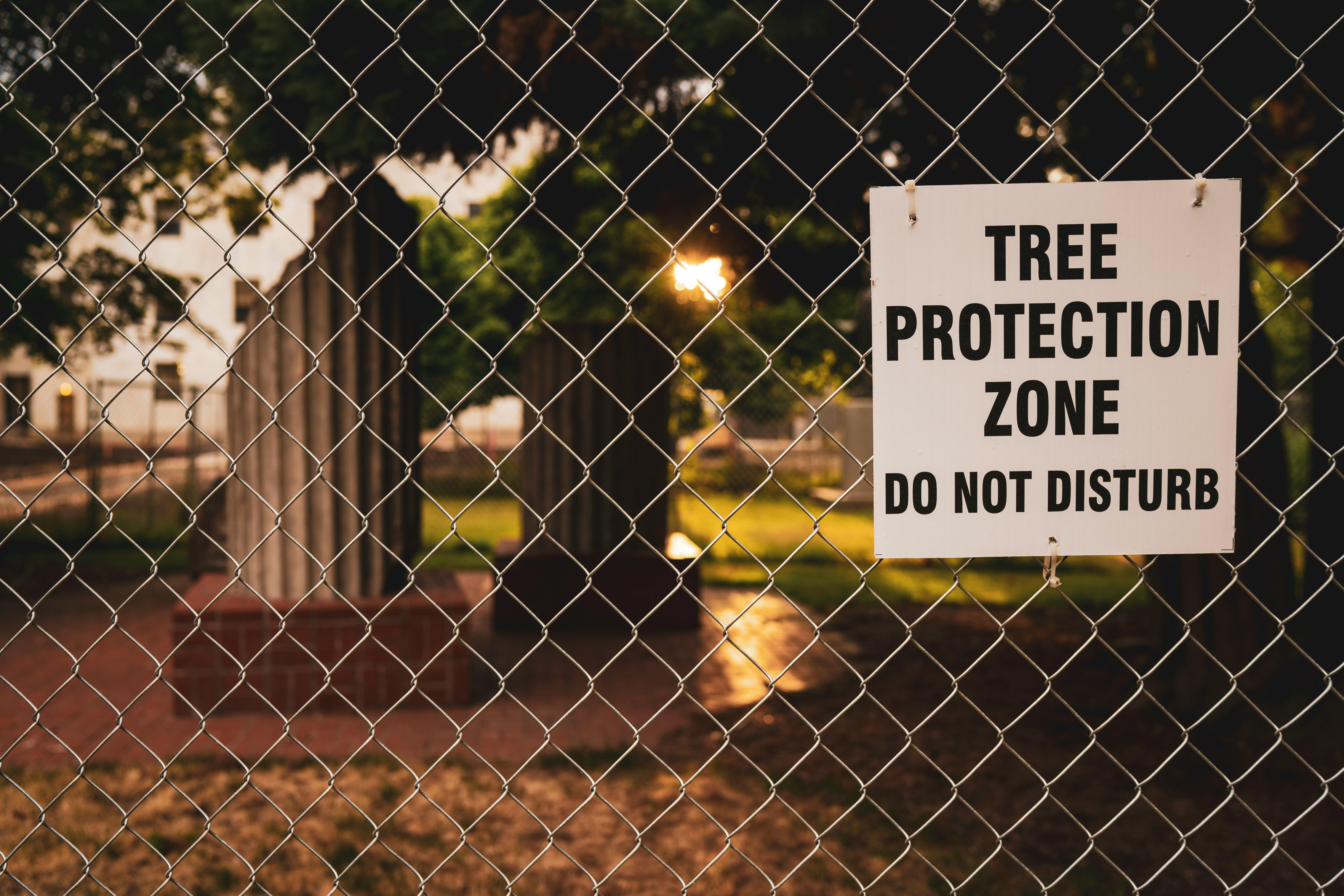
Fulton County maintains strict Tree Protection Ordinance standards, which apply to almost every structural addition. Failure to address trees correctly will result in a Stop Work Order (SWO) or outright permit rejection.
Document All Protected Trees: Your site plan must accurately map all protected trees (usually defined by size and species) within the Critical Root Zone (CRZ) of the proposed construction area.
Minimize CRZ Impact: If the foundation or grading for the addition impacts the CRZ of a protected tree, you must include a detailed Tree Protection Plan showing fencing, root pruning strategies, and proposed compensatory mitigation (replanting or fees). An incomplete or unapproved tree plan is a common permit stopper and ensures the application is sent back by the Arborist Division.
Perfecting the Plan Submittal
The quality and completeness of your drawing package directly impacts the speed of the plan review. In Fulton County, incomplete submittals are often rejected outright within 48 hours of intake (the completeness check).
Structural and Code Integrity
Fulton County's plan review staff are known for stringent enforcement of the structural, fire, and energy codes.
Stamped Engineering: For any complex load-bearing alteration, roof line changes, or second-story additions, the plans for all new structural elements (footings, columns, beams, truss designs) must be stamped and sealed by a Georgia-licensed Architect or Professional Engineer (PE). Generic plans or those lacking specific structural calculations will not pass.
Energy Code Compliance: Ensure your M.E.P. (Mechanical, Electrical, Plumbing) plans and building envelope details comply with the current Georgia Energy Code. Missing details on insulation R-values, window U-factors, and HVAC load calculations are quick rejection points during the building plan review.
Detailed Utility Connections: The drawings must clearly show how the new plumbing and electrical systems will tie into the existing systems, including any necessary upgrades to the main electrical panel or sewer lateral, often requiring separate review from the Department of Public Works.
Navigating the Electronic Portal
Fulton County utilizes electronic portals (like SAGES) for all submissions, reviews, and fee payments. Errors here cause processing delays before the review even begins.
File Naming Convention: Follow the county’s specific digital file standards and naming conventions precisely. Improperly labeled PDF sets often delay routing to the correct department reviewers (Zoning, Fire, Building) and can lead to immediate rejection by the intake team.
Consolidate Comments (The 45-Day Rule): Builders and developers across Metro Atlanta often cite long, repetitive review cycles as a major delay factor. The key to efficiency is submitting one comprehensive revision package that addresses every single comment from every reviewer simultaneously, thus avoiding unnecessary, serial review cycles. The goal is to get final approvals within the first two review rounds.
Final Inspection and Completion
Even after the permit is issued, poor project management during construction can lead to final inspection delays and prevent the issuance of the Certificate of Completion (CC).
Streamlining Inspections
Follow Approved Plans: Ensure the contractor keeps the stamped, approved plans on-site and builds exactly according to them. Structural deviations will result in a failed inspection, requiring a re-inspection fee and a potential plan revision that stops construction.
Arborist Final Sign-Off: The Arborist Division must conduct a final inspection to confirm that tree protection fencing was maintained and that any required mitigation (e.g., replanting) has been completed according to the approved plan. Without this final sign-off, the Certificate of Completion will not be issued.
The complex interplay between Fulton County’s zoning rules, tree ordinances, and structural codes makes the home addition permit process an intricate maze. Partnering with a professional permit consultant Metro Atlanta specialist allows your project to bypass these common delays by ensuring perfection at every stage, from initial zoning research Atlanta to final inspection sign-off.