
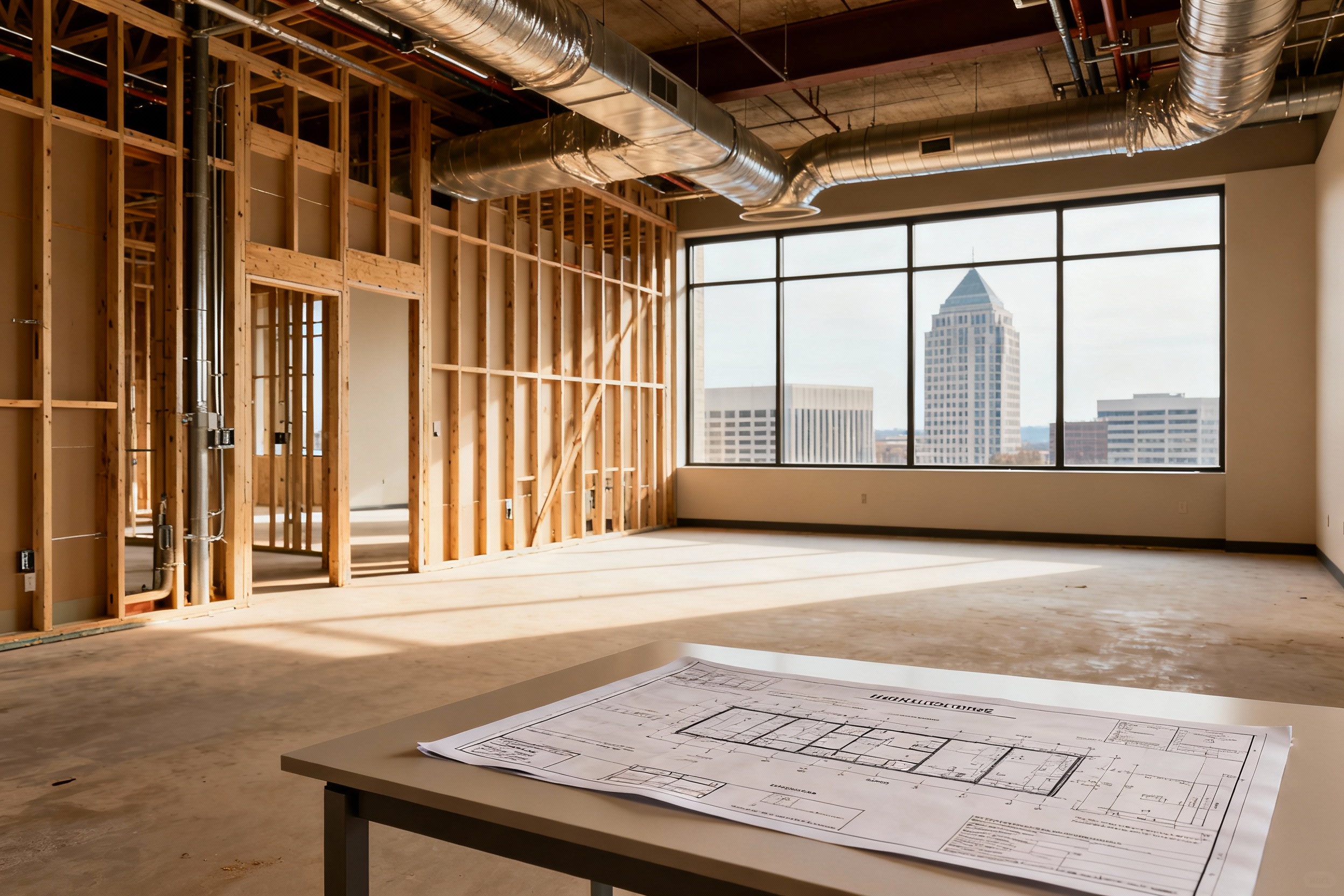
Commercial & Tenant Improvement Permits in Metro Atlanta: A Business Owner's Guide
Opening a new business location, expanding your existing space, or renovating a commercial property in Metro Atlanta requires navigating a complex permitting process. Commercial and tenant improvement (TI) permits involve more stakeholders, stricter codes, and longer timelines than residential projects.
This guide walks you through everything business owners, property managers, and commercial contractors need to know about commercial permitting in Metro Atlanta - from initial applications to final inspections and certificate of occupancy.
What Are Commercial and Tenant Improvement Permits?
Commercial permits authorize construction, renovation, or modification of business properties. Tenant improvement (TI) permits are a specific type of commercial permit that covers modifications made to a leased space to accommodate a new tenant's business needs.
Common projects requiring commercial permits:
• Building out a new office space
• Restaurant build-outs and kitchen installations
• Retail space renovations
• Change of use (converting warehouse to office, retail to restaurant, etc.)
• Adding or modifying demising walls
• HVAC, electrical, or plumbing system upgrades
• ADA compliance modifications
The Commercial Permitting Process

Step 1: Determine Permit Requirements
Before signing a lease or starting design work, confirm what permits your project requires. Commercial projects typically need multiple permits:
• Building permit: For structural work, interior modifications, new construction
• Electrical permit: For new circuits, panel upgrades, lighting modifications
• Plumbing permit: For new fixtures, gas lines, kitchen equipment
• Mechanical permit: For HVAC installation or modifications
• Fire protection permit: For sprinkler systems, fire alarm modifications
• Sign permit: For exterior signage
For new businesses setting up shop, our Tenant Improvement Permit Checklist for New Businesses covers everything you'll need to gather before starting the permit process.
Step 2: Understand Change of Use Requirements

If you're moving into a space previously used for a different purpose, you may need a change of use permit. Converting a retail space to a restaurant, an office to a gym, or a warehouse to retail typically triggers additional requirements including:
• Updated fire protection systems
• ADA compliance upgrades
• Additional parking requirements
• Upgraded electrical or plumbing capacity
• Zoning verification
Change of use requirements vary significantly by jurisdiction. Read our detailed guide: How to Change the Use of a Commercial Space in Fulton County for specific requirements and timelines.
Step 3: Prepare Construction Documents
Commercial permits require professional construction documents prepared by licensed architects or engineers. Your submittal package typically includes:
• Architectural plans: Floor plans, reflected ceiling plans, elevations, details
• MEP drawings: Mechanical, electrical, and plumbing plans
• Structural drawings: Required if modifying load-bearing elements
• Fire protection plans: Sprinkler and alarm system layouts
• Site plan: Showing building location, parking, utilities
• Specifications: Material and equipment specifications
MEP coordination is critical for smooth permit approval. Conflicts between mechanical, electrical, and plumbing systems are a common cause of plan review delays. See our guide: Coordinating MEP Plans for a Smooth TI Permit Process
Step 4: Submit Permit Application
Most Metro Atlanta jurisdictions accept online permit submissions. Your application includes:
• Completed application forms
• Construction documents (multiple sets, stamped by licensed professionals)
• Contractor licenses and insurance certificates
• Lease agreement or proof of ownership
• Application fees (typically $500-2,000+ depending on project scope)
• Additional documentation for change of use or special requirements
Step 5: Plan Review Process
Commercial plan reviews involve multiple departments and take longer than residential reviews. Typical review departments include:
• Building department: Reviews for building code compliance
• Fire marshal: Reviews fire protection, egress, occupancy classifications
• Zoning: Verifies allowed uses, parking requirements, signage
• Environmental health: Reviews food service operations
• Development/planning: Reviews site improvements, exterior modifications
Fire and safety reviews are particularly thorough for commercial projects. Common issues can delay approval by weeks. Our article on Common Fire & Safety Review Issues in Commercial Permitting identifies the most frequent problems and how to avoid them.
Step 6: Address Plan Review Comments
First submissions rarely pass without corrections. Plan reviewers will issue comment letters detailing required changes. Common issues include:
• Insufficient egress width or travel distance
• Fire-rating requirements for demising walls
• ADA compliance deficiencies
• MEP system coordination conflicts
• Missing structural calculations
• Energy code compliance issues
Your design team must address all comments and resubmit. Each resubmission cycle typically adds 2-3 weeks to the timeline.
Step 7: Permit Issuance
Once plans are approved, pay permit fees (based on construction value) and receive your permit. Commercial permit fees typically range from $2,000-10,000+ depending on project scope and jurisdiction. Post permits visibly at the job site.
Step 8: Construction and Inspections
Commercial projects require multiple inspections throughout construction:
• Foundation inspection: If structural work is involved
• Framing inspection: Before walls are closed
• Rough-in inspections: Electrical, plumbing, mechanical, fire protection
• Fire system inspection: Sprinkler and alarm testing
• Final inspection: Complete building walkthrough
Schedule inspections at least 48 hours in advance. Inspectors must approve each phase before proceeding. Failed inspections require corrections and re-inspection.
For jurisdiction-specific inspection requirements, see: How to Prepare for a Commercial Inspection in Cobb County
Step 9: Certificate of Occupancy
After final inspections pass, you'll receive a Certificate of Occupancy (CO). This document certifies your space meets all building codes and is safe for business operations. You cannot legally operate your business without a valid CO.
The CO process in Atlanta involves multiple agencies and specific documentation requirements. Read our detailed guide: How to Get a Certificate of Occupancy (CO) in the City of Atlanta
Restaurant-Specific Requirements
Restaurant build-outs face particularly complex permitting requirements due to food service operations, grease management, fire suppression, and ventilation systems. Additional considerations include:
• Health department plan review and approval
• Commercial kitchen hood and fire suppression systems
• Grease trap or interceptor requirements
• Gas line installations for cooking equipment
• Increased electrical capacity
• Accessible restroom facilities
• Alcohol beverage license coordination (if applicable)
Restaurant permits typically take 3-6 months from application to CO. Our comprehensive guide, Restaurant Build-Out Permits: What You Need Before You Open in Atlanta, covers timelines, costs, and agency coordination.
ADA Compliance Requirements
All commercial spaces must comply with the Americans with Disabilities Act (ADA). Both new construction and tenant improvements trigger ADA requirements, which may include:
• Accessible entrance and path of travel
• Accessible restrooms with proper fixtures and clearances
• Proper door widths and hardware
• Counter heights and service areas
• Parking space requirements
• Signage and wayfinding
ADA violations can result in permit delays, failed inspections, and potential lawsuits. Our guide, ADA Compliance Permits: What Atlanta Business Owners Should Know, explains requirements and common pitfalls.
Commercial Permit Timelines

Commercial permit timelines are significantly longer than residential projects. Realistic expectations for Metro Atlanta:
• Simple TI (office refresh, minor modifications): 6-10 weeks
• Moderate TI (retail build-out, office with new MEP): 10-16 weeks
• Complex TI (restaurant, change of use, structural work): 16-24 weeks
• New commercial construction: 24-40+ weeks
For detailed timeline breakdowns by project type and jurisdiction, see: Typical Timelines for Commercial Permits in Metro Atlanta
Common Permit Violations and Stop-Work Orders

Stop-work orders shut down construction immediately and can delay projects by weeks or months. Common violations that trigger stop-work orders:
• Working without permits: Starting construction before permits are issued
• Deviating from approved plans: Making changes without submitting plan revisions
• Covering work before inspection: Closing walls before required inspections
• Unlicensed contractors: Using contractors without proper licenses
• Safety violations: Inadequate fall protection, unsafe electrical work
• Fire code violations: Blocking exits, removing fire-rated assemblies
Stop-work orders require immediate correction and often result in fines. Learn how to avoid them: Avoiding Stop-Work Orders: Top Permit Violations in Georgia
Metro Atlanta Jurisdiction Differences
City of Atlanta
Atlanta has its own building department and processes. Commercial projects in the city limits require Atlanta-specific applications and fees. The city has made significant improvements to online permitting systems, but complex projects still face lengthy reviews. Expect 12-16 weeks for typical TI projects, longer for restaurants or change of use.
Fulton County
Fulton County handles unincorporated areas and smaller cities. Commercial plan reviews are thorough and detail-oriented. Fire marshal reviews can be particularly strict. Budget extra time for change of use projects. Timeline: 10-14 weeks for straightforward TI projects.
Cobb County
Cobb County generally processes commercial permits efficiently. They've invested in technology and streamlined coordination between departments. Complete applications with proper MEP coordination move through relatively quickly. Timeline: 8-12 weeks for typical TI projects.
DeKalb County
DeKalb County has specific requirements for commercial projects, particularly regarding fire protection and occupancy classifications. Plan reviews involve multiple agencies with independent timelines. Timeline: 12-16 weeks for typical TI projects.
Commercial Permit Costs
Commercial permit costs are substantially higher than residential permits and vary by jurisdiction and project scope. Typical cost structure:
• Plan review fees: $500-2,000 (non-refundable)
• Building permit fees: Typically $10-20 per $1,000 of construction value
• Trade permits: Electrical, plumbing, mechanical permits (separate fees)
• Fire protection fees: Sprinkler and alarm system permits
• Impact fees: May apply for new construction or significant expansions
Examples:
• Small office TI ($50,000 construction): $2,000-3,500 in permits
• Retail build-out ($150,000 construction): $4,000-7,000 in permits
• Restaurant build-out ($300,000 construction): $8,000-15,000 in permits
Working With Design Professionals
Commercial projects require licensed professionals:
• Architect: Required for most commercial projects, responsible for overall design and code compliance
• Structural engineer: Required if modifying building structure
• MEP engineer: Designs mechanical, electrical, plumbing systems
• Fire protection engineer: Designs sprinkler and alarm systems
• Civil engineer: Required for site work, parking, utilities
All construction documents must be stamped by licensed professionals. Jurisdictions will not accept plans without proper seals.
Tips for Successful Commercial Permitting
Start early: Begin permit coordination during lease negotiations. Permit timelines should inform your lease commencement date.
Hire experienced professionals: Architects and engineers familiar with local jurisdictions navigate the process more efficiently.
Coordinate MEP systems: MEP conflicts are a top cause of plan review delays. Ensure coordination before submission.
Submit complete applications: Missing documents, unsigned forms, or inadequate drawings guarantee rejection and delays.
Address comments quickly: When you receive plan review comments, respond immediately. Each resubmission cycle adds weeks.
Use licensed contractors: Verify all contractors have proper licenses and insurance before work begins.
Schedule inspections properly: Don't wait until the last minute. Schedule inspections 48-72 hours in advance.
Don't deviate from plans: Field changes require plan revisions and additional review. Get approval before making changes.
Budget contingency time: Add 20-30% buffer to estimated permit timelines. Delays are common even with perfect applications.
When to Hire a Permit Expediter
Commercial permit expediters specialize in navigating the permitting process. Consider hiring an expediter if:
• Your project involves multiple jurisdictions
• You're working with tight opening deadlines
• Your project requires variances or special approvals
• You're unfamiliar with local permitting processes
• Your design team lacks local experience
Expediters maintain relationships with plan reviewers, understand jurisdiction-specific requirements, and can often identify issues before they become formal corrections. Fees typically range from $3,000-15,000 depending on project complexity.
Working With Radovic Permits
Radovic Permits provides comprehensive commercial permitting services throughout Metro Atlanta. We work with business owners, property managers, developers, and contractors to navigate the complex commercial permitting process.
Our commercial permitting services include:
• Pre-lease permit feasibility analysis
• Complete permit application preparation and submission
• Plan review coordination and expediting
• Multi-agency coordination (building, fire, health, zoning)
• Correction management and resubmittal coordination
• Inspection scheduling and follow-through
• Certificate of Occupancy processing
• Change of use and variance applications
We understand the urgency of commercial projects and work proactively to minimize delays. Our established relationships with Metro Atlanta building departments and deep knowledge of local requirements consistently deliver faster approvals.
Contact Radovic Permits today to discuss your commercial project and learn how we can streamline your permitting process.
Related Resources
Detailed Guides Referenced in This Article:
How to Get a Certificate of Occupancy (CO) in the City of Atlanta
Tenant Improvement Permit Checklist for New Businesses in Metro Atlanta
Restaurant Build-Out Permits: What You Need Before You Open in Atlanta
How to Change Commercial Space Use in Fulton County, GA
Common Fire & Safety Review Issues in Commercial Permitting
ADA Compliance Permits: What Atlanta Business Owners Should Know
Coordinating MEP Plans for a Smooth TI Permit Process in Atlanta
Typical Timelines for Commercial Permits in Metro Atlanta
How to Prepare for a Commercial Inspection in Cobb County, GA