
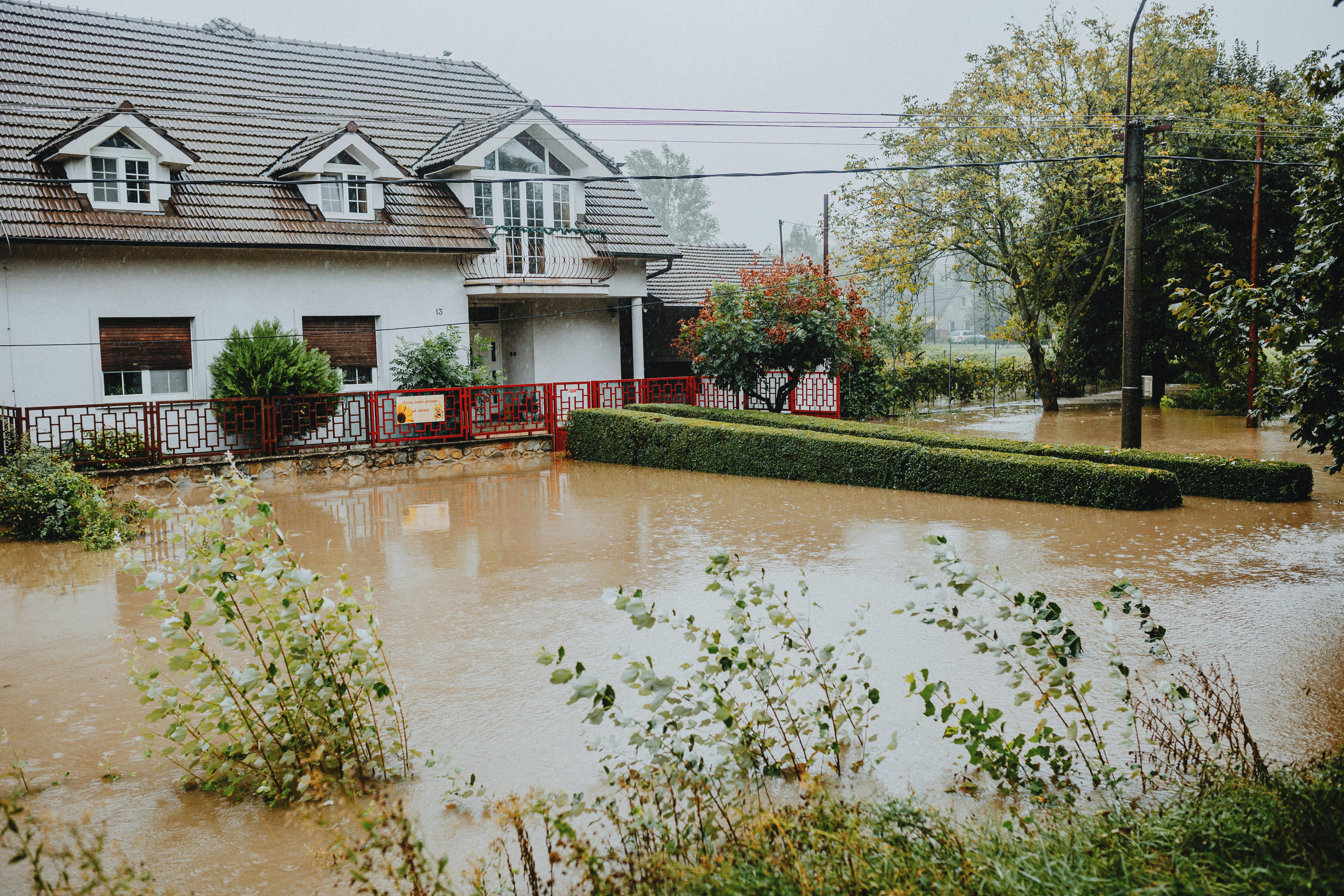
FEMA Floodplain Rules for Developers in Fulton County, GA
Fulton County, which encompasses major portions of Metro Atlanta including high-growth areas and the City of Atlanta, maintains strict oversight over development within designated FEMA floodplains. The County's floodplain management ordinance is designed to comply with the National Flood Insurance Program (NFIP) and local requirements, which often exceed federal minimum standards.
For developers, understanding these rules is critical before purchasing or commencing design on any parcel that touches a Special Flood Hazard Area (SFHA), particularly those designated as Zone AE or Zone A. Non-compliance results in denial of development permits, mandatory demolition, and the inability to obtain a Certificate of Occupancy (CO).
Pre-Development Assessment and Zoning

The first step involves thorough due diligence to understand the specific flood risk and regulatory hurdles based on the FEMA mapping.
Mandatory Flood Zone Identification
Developers must obtain and confirm the current FEMA Flood Insurance Rate Map (FIRM) designation for the property.
Zone AE (High Risk): Most of Fulton County's riverine floodplains are designated Zone AE, meaning the Base Flood Elevation (BFE) has been determined. This triggers the strictest building and elevation rules.
Floodway Boundary: Identification of the adjacent Floodway is paramount. The Floodway is the area reserved for the passage of the 100-year flood. Development within the Floodway is prohibited unless a certified No-Rise Certificate is obtained (proving 0.00 ft elevation increase).
Zoning Compatibility: The proposed use must comply with the underlying Fulton County Zoning Resolution. Even if the land is technically developable under floodplain rules, the proposed use (e.g., commercial vs. residential) must be permitted by the zoning research Atlanta standards for that district.
The Role of the Floodplain Development Permit
Fulton County requires a specific Floodplain Development Permit before any construction, grading, filling, or alteration can begin within the SFHA.
Trigger: This permit is required for any development activity, including land disturbance, fill placement, utility installation, and fencing, not just building construction.
Mandatory Engineer Seal: All plans submitted for review must be sealed by a Georgia-licensed Professional Engineer (PE) or Land Surveyor.
Design and Mitigation Requirements
Fulton County's ordinance focuses on ensuring new development does not adversely impact the flood storage capacity or flood elevations of neighboring properties.
Vertical Elevation Requirements
For all new and substantially improved structures in Zone AE, vertical compliance is the primary rule.
Required Freeboard: Fulton County generally requires the lowest floor of a new or substantially improved structure to be elevated to the BFE plus a minimum amount of freeboard (an additional safety margin, typically one or two feet). This minimum height must be rigorously followed.
Non-Residential Structures: Commercial and industrial buildings can sometimes be flood-proofed instead of elevated, but this requires an engineer to certify that the structure is watertight up to the required elevation. This is a complex and often costly method.
Compensatory Storage (The No Adverse Impact Rule)

This is one of the most critical and cost-intensive requirements for development in Fulton County floodplains.
Requirement: Any development (building or filling) that displaces flood water must provide an equal volume of excavated storage space (compensatory storage) at the same elevation as the displacement area. This ensures No Adverse Impact on flood elevations upstream or downstream.
Engineering Burden: The developer's engineer must calculate the volume of displacement caused by the fill/structure and model the compensatory excavation location and volume. This adds significant cost to site work and the permitting process.
Fill Restrictions: Permanent foundations and crawlspaces are discouraged, as they displace floodwater. If used, the design must incorporate flood openings to allow for the equalization of water pressure.
Final Certification and Compliance
The floodplain process is not complete until the development is inspected and certified post-construction.
Mandatory Inspection Sequence
Lowest Floor Elevation Inspection: The county inspector verifies the elevation of the forms and foundation before the floor system is installed, ensuring compliance with the BFE + Freeboard requirement.
Flood Vents and Openings: All required flood openings or vents in foundations and enclosures must be inspected to ensure they are at least 1 square inch of opening for every 1 square foot of enclosed area.
The Final Elevation Certificate
To receive the Certificate of Occupancy (CO), the developer must submit a final Elevation Certificate, sealed by a PE or Surveyor.
Verification: This certificate verifies that the finished construction (including the lowest floor elevation and any mechanicals/utilities) meets the approved plan's required elevation relative to the BFE.
LOMA/LOMR Strategy: If the developer used fill to raise the land, the CO will often be conditioned on receiving a post-construction Letter of Map Revision Based on Fill (LOMR-F) from FEMA, requiring a final certification to remove the property from the SFHA.
By integrating the strict BFE, freeboard, and compensatory storage requirements into the initial site design, developers can successfully navigate Fulton County's rigorous floodplain rules and secure their building permit consulting Atlanta firms need to start construction.
At Radovic Permits, our specialized permit consultant Metro Atlanta services manage the complex permitting sequence, ensuring all hydraulic, elevation, and compensatory storage requirements are met for development within Fulton County floodplains.